Ice Skating Apparel Guide: Comfort and Style Combined
Apr 10,2025 | LIUHUO
The Essentials of Ice Skating Apparel: Comfort, Style, and Performance
Ice skating is a dynamic and graceful sport, requiring a perfect balance between flexibility, comfort, and style. Whether you’re a beginner hitting the rink for fun or an experienced figure skater performing complex routines, the right ice skating apparel can make a world of difference. In this article, we will explore the importance of choosing the right ice skating outfit and the key factors to consider when making your selection.
1. Comfort and Fit: The Foundation of Performance
When it comes to ice skating apparel, comfort should be your top priority. Skating involves a wide range of movements, from spins to jumps, and your outfit needs to allow for maximum flexibility. The most common materials for ice skating outfits are stretchy fabrics such as spandex, lycra, and nylon blends. These materials provide the necessary stretch, allowing you to move freely without feeling restricted.
The fit of the garment is also crucial. A skating outfit that is too tight can restrict your movement, while one that’s too loose can cause discomfort and even hinder your performance. It’s important to find a balance—a well-fitted ice skating outfit that hugs your body but also allows room for movement. Whether it’s a tight-fitting one-piece or a layered outfit, ensure that it feels comfortable and snug in all the right places.
2. Fabric: Performance Meets Durability
The fabric you choose for your ice skating apparel should not only be flexible but also durable and moisture-wicking. Ice skating, especially for long periods, can lead to perspiration, so moisture-wicking fabrics are essential to keep you dry and comfortable. Fabrics such as moisture-wicking polyester blends are commonly used, as they help keep sweat away from the skin and maintain comfort throughout your practice or performance.
In addition to moisture control, the fabric should provide insulation to keep you warm in the cold ice rink environment. Many ice skating outfits incorporate thermal linings or special materials designed to trap heat while still allowing for breathability, preventing you from overheating during intense movements.
3. Design and Aesthetics: Expressing Your Personal Style
Ice skating is as much about performance as it is about style. Many figure skaters wear outfits that reflect their personalities and artistic expression. When selecting a skating outfit, look for designs that not only provide functionality but also align with your personal aesthetic.
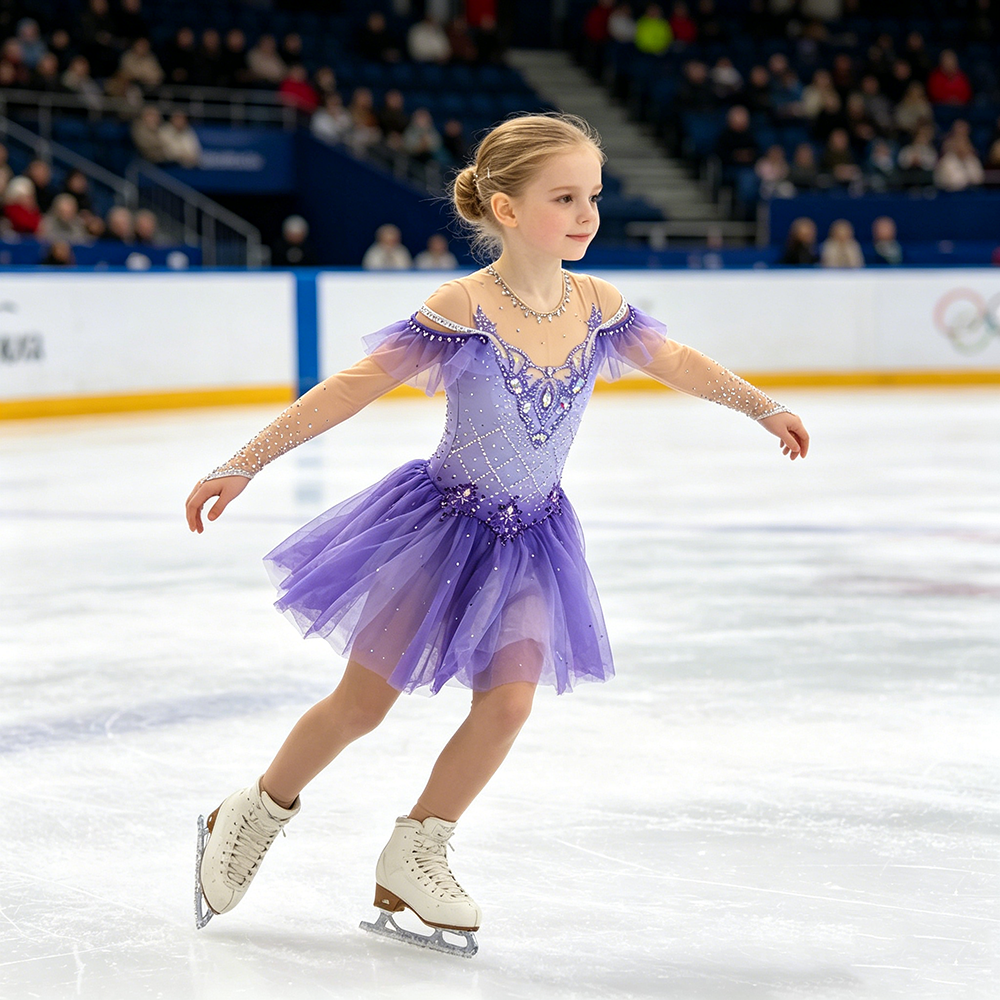
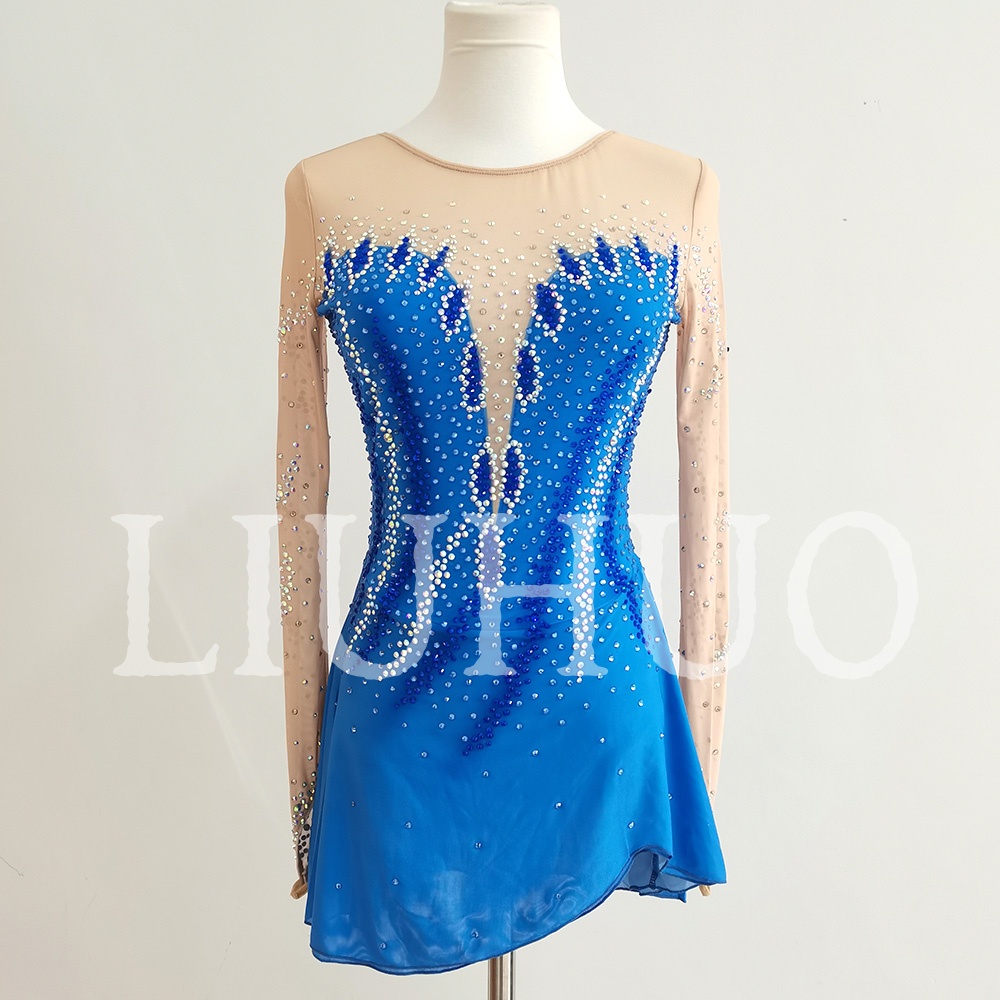
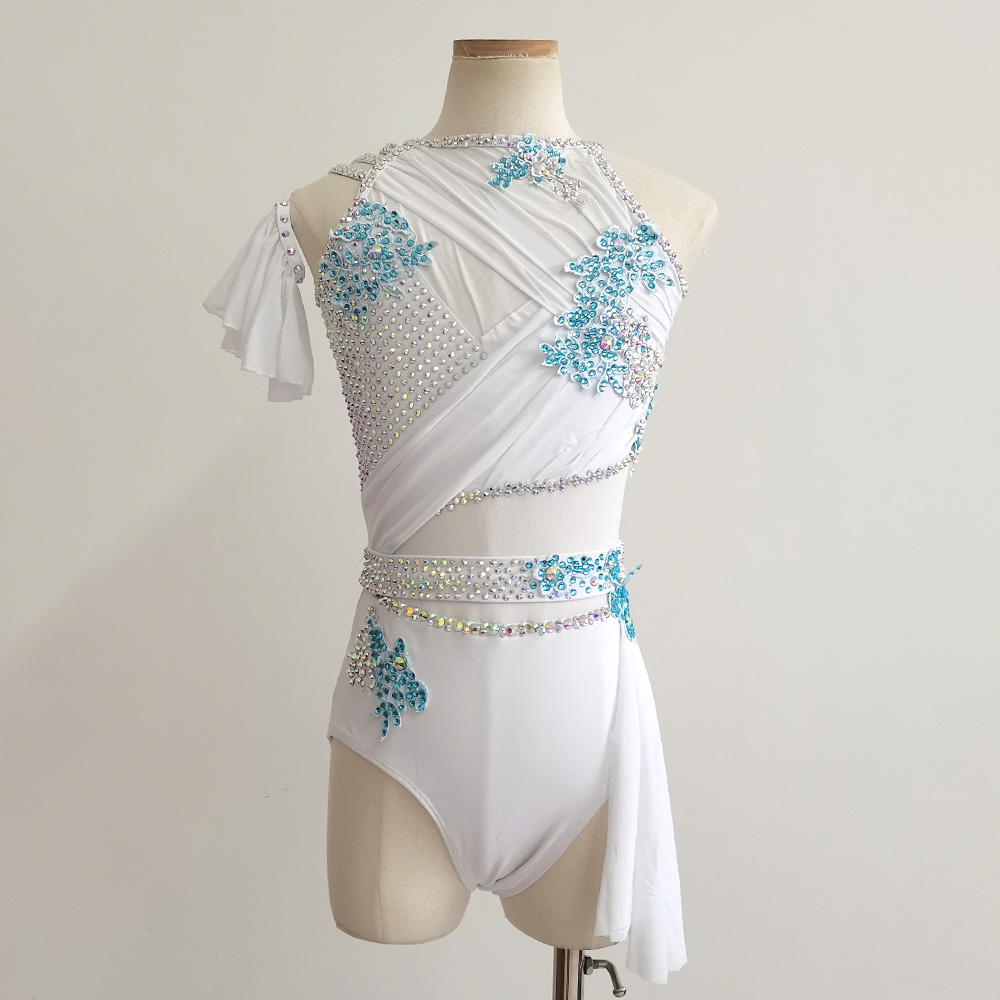
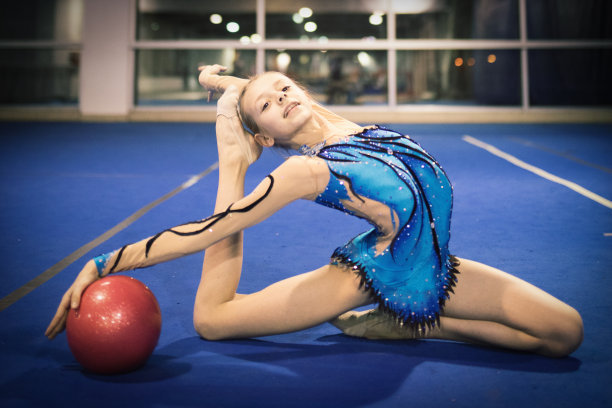
Modern skating apparel comes in a wide range of designs, from simple, elegant looks to more intricate, embellished outfits with rhinestones, sequins, or glitter. You can opt for traditional one-piece suits or two-piece outfits, and even have your skating apparel customized with unique designs or patterns to stand out on the ice. A well-designed outfit can elevate your confidence and performance, allowing you to fully express your artistic side while skating.
4. Weather Considerations: Stay Warm Without Overheating
While ice skating is typically done indoors, it’s essential to consider the rink's temperature. Most rinks are kept cold to ensure the ice remains in optimal condition, but skaters need to balance warmth with comfort. Layering is an excellent way to stay warm without overheating. You can wear lightweight long-sleeve tops or jackets that are easy to remove when you start skating.
For outdoor ice skating, like in winter festivals or outdoor arenas, it’s even more critical to layer appropriately. You may want to opt for insulated, breathable materials that can keep you warm while allowing the sweat and heat produced by your body to escape.
5. Footwear and Accessories: Enhancing Your Comfort and Style
Footwear plays an essential role in ice skating. The right skating boots should provide ankle support while being flexible enough to allow precise movements. Most professional figure skaters wear boots with custom molds for added comfort and support. When selecting skating boots, ensure they are properly fitted to avoid blisters or discomfort.
Accessories like gloves, headbands, and skirts can add extra style points to your outfit. A lightweight skirt can complement your skating outfit, while gloves will keep your hands warm, especially during outdoor skating. Many skaters also choose to wear headbands or other accessories to enhance their look while maintaining functionality.
6. Choosing the Right Skating Outfit for Different Disciplines
It’s also important to choose the right outfit based on the type of skating you’ll be doing. For figure skating, a tighter, more tailored outfit is ideal to showcase your movements during routines. On the other hand, if you’re participating in speed skating or recreational skating, you may prefer a simpler, more streamlined outfit designed for comfort and aerodynamics.
Competitive figure skaters often wear costumes that are embellished with intricate designs and rhinestones, while recreational skaters tend to prefer functional, comfortable clothing like form-fitting pants and tops. When choosing an outfit, consider your skating discipline, but don’t forget to prioritize comfort and flexibility.
Conclusion: The Perfect Skating Outfit Awaits You
Choosing the right ice skating apparel goes beyond just looks—it’s about ensuring comfort, flexibility, and performance. Whether you’re gliding for fun or competing at a high level, the right outfit will help you perform your best while feeling confident and stylish on the ice. By considering the fit, fabric, design, and functionality, you can find the perfect ice skating outfit that suits your needs and personal style.
Remember, skating is about enjoying the sport and expressing yourself, so don’t be afraid to pick an outfit that makes you feel confident and excited to hit the rink.
Comment